

Electrical troubleshooting
- Home
- Electrical troubleshooting
What Makes Electrical Troubleshooting Necessary
Electrical issues are one of those things that homeowners tend to put off. A breaker tripping once or a light flickering a few times is easy to ignore. Similarly, when an outlet stops working, you just use the one across the room. The problem with that approach is that most electrical faults do not disappear on their own. Without timely electrical troubleshooting, they will keep getting worse. A breaker that trips occasionally will eventually trip and fail to reset. A flickering light connected to a loose wire connection will eventually arc. A dead outlet might indicate a wiring fault that is also gradually affecting other circuits.
Home electrical troubleshooting is the process of systematically tracking down the source of those symptoms and fixing the actual cause. It involves the use of the right test equipment and knowing what common failure points look like in real homes. Pittsburgh’s local houses have their own issues — aluminum wiring connections that have loosened over decades, deteriorated wire insulation, and panels that were wired by multiple hands over multiple decades. Our licensed electricians in Pittsburgh know those patterns very well, which speeds up diagnosis significantly.
What NEAR Electric's Electrical Troubleshooting Services Cover
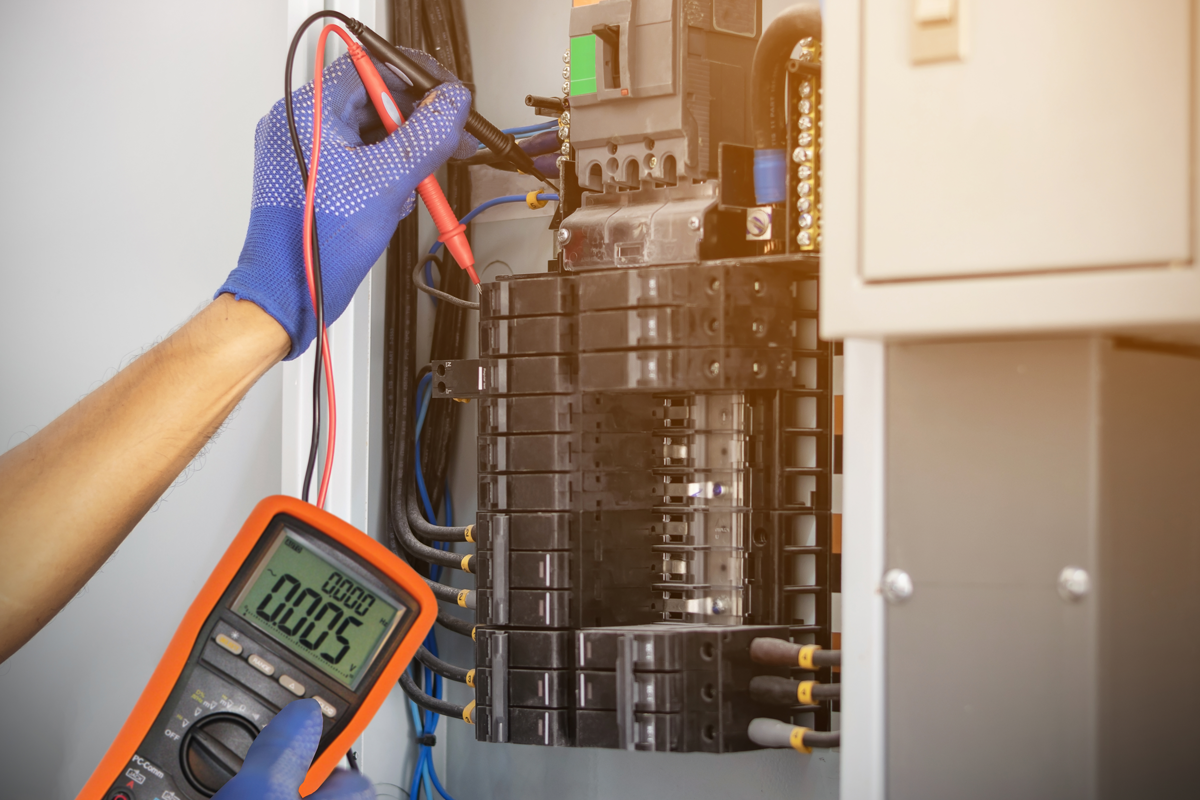
When you call NEAR Electric for electrical troubleshooting in Pittsburgh, we arrive quickly to trace and test the compromised components and find the fault. We then give you a clear explanation of what is wrong and how it will be fixed. We handle everything from a single dead outlet to complex multi-circuit faults in older homes with layered wiring history.
- Tripping breakers and breaker reset issues, including overloaded circuits, short circuits, and failed breakers
- Flickering or dimming lights, tracked back to loose connections, voltage fluctuation issues, or overloaded circuits
- Dead outlets and non-functioning switches, including GFCI trip issues, broken devices, loose wiring at the terminal, and open neutrals
- Burning smells or unusual heat near outlets, switches, or the panel, which indicate arcing or resistance faults that need immediate diagnosis
- Sparking outlets or switches, which point to loose connections or wiring problems that are a constant fire risk
What Causes Electrical Faults in a Pittsburgh Home?
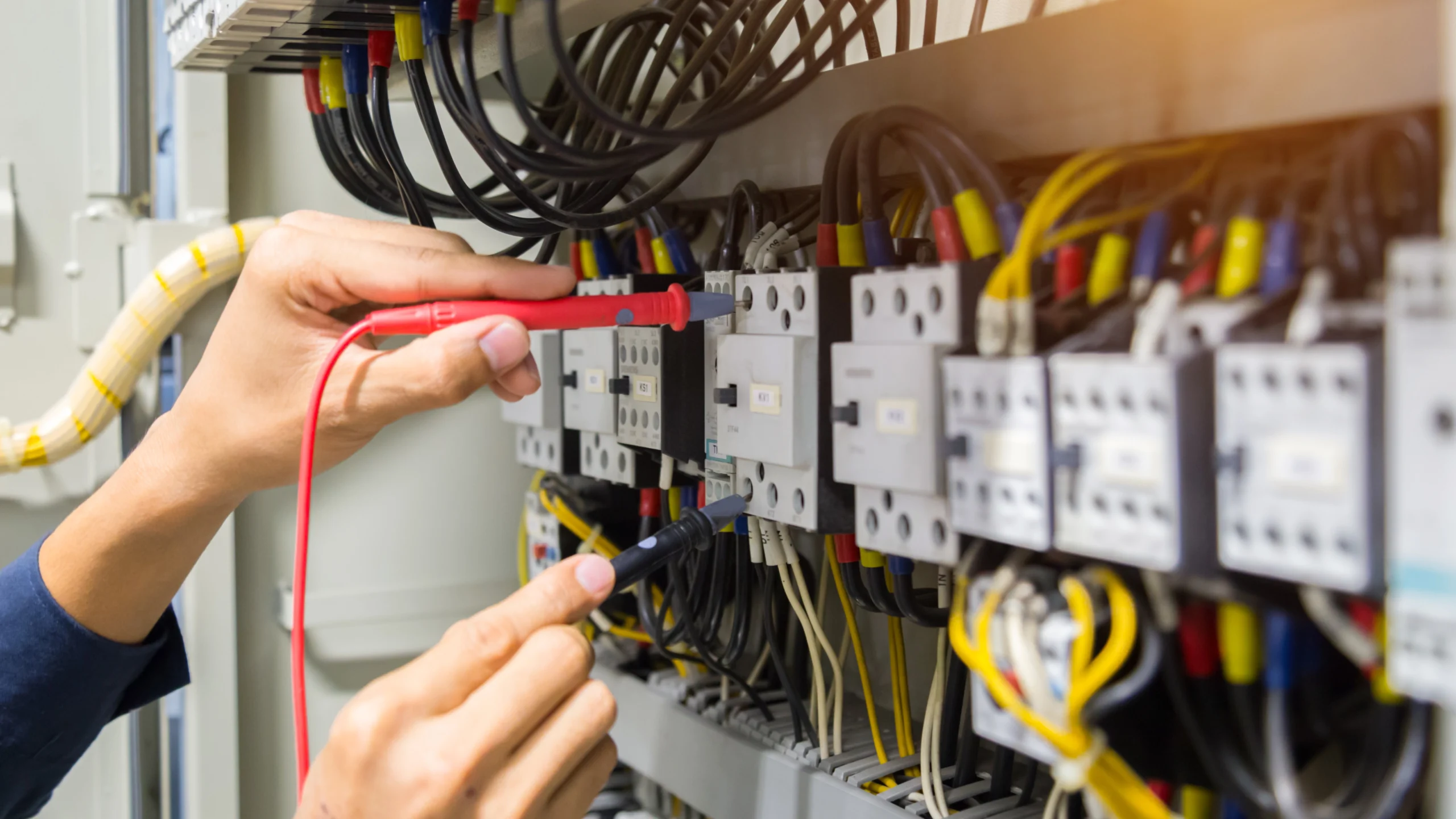
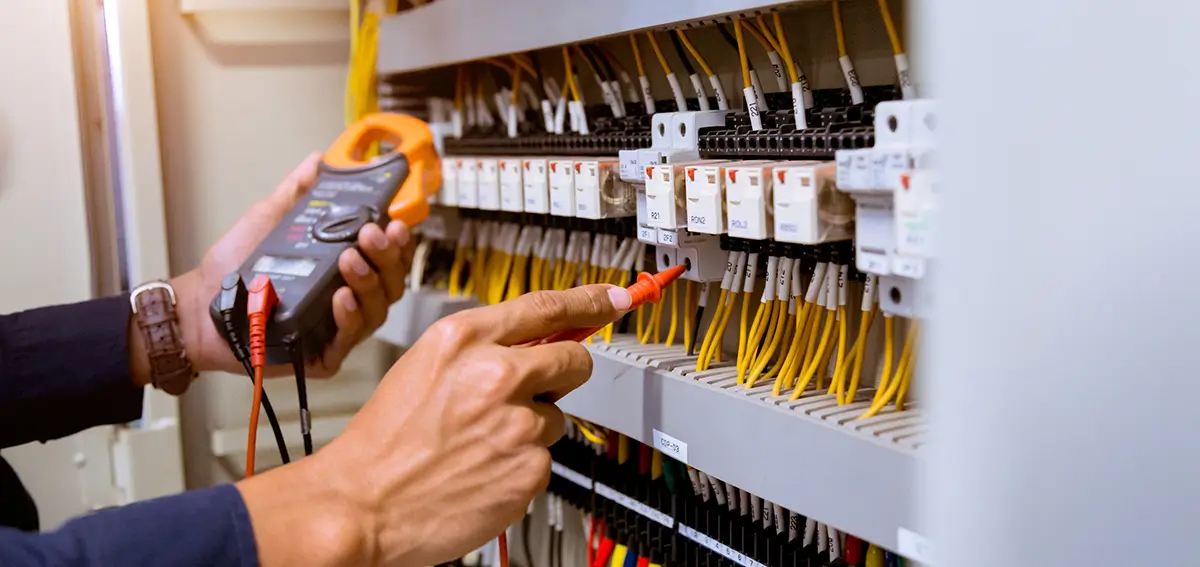
Understanding where electrical faults come from helps explain why troubleshooting by a licensed electrician matters. Most faults fall into a few categories: connection failures, device failures, overloaded circuits, and wiring degradation. Connection failures are the most common, where a wire terminal gradually loosens due to thermal expansion and contraction. Eventually, the connection starts creating resistance rather than a clean path for current. That resistance generates heat, which makes the problem worse over time. It also creates the conditions for arcing, which is how many electrical fires begin.
Overloaded circuits are another frequent source of electrical troubleshooting service calls. Many Pittsburgh homes were not wired for the number of high-draw appliances in use today. When a single circuit is powering a refrigerator, microwave, and toaster simultaneously, it is channeling more current than the wiring was rated for. The breaker should trip in that scenario (and usually does), but if it is an old or degraded breaker, it might fail to trip. That is when wiring starts to overheat behind the scenes. An emergency electrical repair call in Pittsburgh often leads us to finding exactly that situation.
Why Pittsburgh Homeowners Call NEAR Electric First for Electrical Troubleshooting
With the right test equipment, NEAR Electric has been diagnosing electrical problems in Pittsburgh homes for over a decade. We understand the wiring configurations common in this area, and we don’t recommend unnecessary repairs. When something is wrong with your electrical system, we tell you what it is, why it happened, and what the fix looks like with complete honesty. We fully understand the fact that some electrical problems are urgent and cannot wait for a scheduled appointment.
- Same-day service available for electrical faults that affect safety or leave your home without power
- Accurate and reliable diagnosis using proper electrical test equipment
- Transparent pricing on repairs identified during troubleshooting without inflated emergency markups
- Licensed electricians who know Pittsburgh's older wiring systems and can work through complex electrical history
Frequently Asked Questions About Electrical Troubleshooting
Some of the most common electrical issues include tripping breakers, flickering lights, dead outlets, burning smells near outlets, and partial power loss to a room or circuit. Many of these trace back to loose connections, failed devices, or overloaded circuits.
A repeatedly tripping breaker usually means that the circuit is overloaded or there is a short circuit somewhere in the wiring. Another possibility is that the breaker itself has worn out and trips too easily. Any of these problems needs a different approach for fixing, which can be determined after testing the circuit and pinpointing the exact issue.
Flickering lights most often point to a loose connection in the circuit, which can be at the fixture or back at the panel. Voltage fluctuations from a utility issue or an overloaded circuit can also cause flickering. Persistent flickering should be diagnosed with professional electrical troubleshooting.
One of the common and easily fixable causes of dead outlets is a tripped GFCI outlet nearby. Other causes include failure of the outlet itself, a tripped breaker in the panel, or a broken wire connection. An open neutral might also be the cause, which can be harder to trace without proper test equipment.
Testing a GFCI reset or checking if a breaker is tripped is low risk. But probing inside a panel or opening junction boxes without knowing what you are working with carries real shock and arc flash risk. A licensed electrician in Pittsburgh has the training and tools to do it safely.