
Electricity keeps your home running every single day. You use it for lights, kitchen appliances, air conditioning, charging devices, and much more. But most homeowners do not think about their electrical wiring until problems start showing up. Flickering lights, tripping breakers, or burning smells can quickly turn into serious safety risks.
Many older homes were not built to handle today’s electrical needs. Modern families use more electronics, smart devices, and heavy appliances than ever before. That is why having safe and updated residential electrical wiring matters so much. In this guide, you will learn about common wiring types, warning signs of electrical problems, and the best upgrade options for your home.
For trusted electrical solutions, homeowners can count on Near Electric for safe and professional services.
What Is Residential Electrical Wiring?
Residential electrical wiring carries electricity through your home. It connects your electrical panel to outlets, switches, lights, and appliances.
A good wiring system helps you:
- Use electricity safely
- Prevent electrical fires
- Run appliances smoothly
- Avoid power overloads
- Support modern technology
When wiring gets old or damaged, your home may face safety problems and power issues.
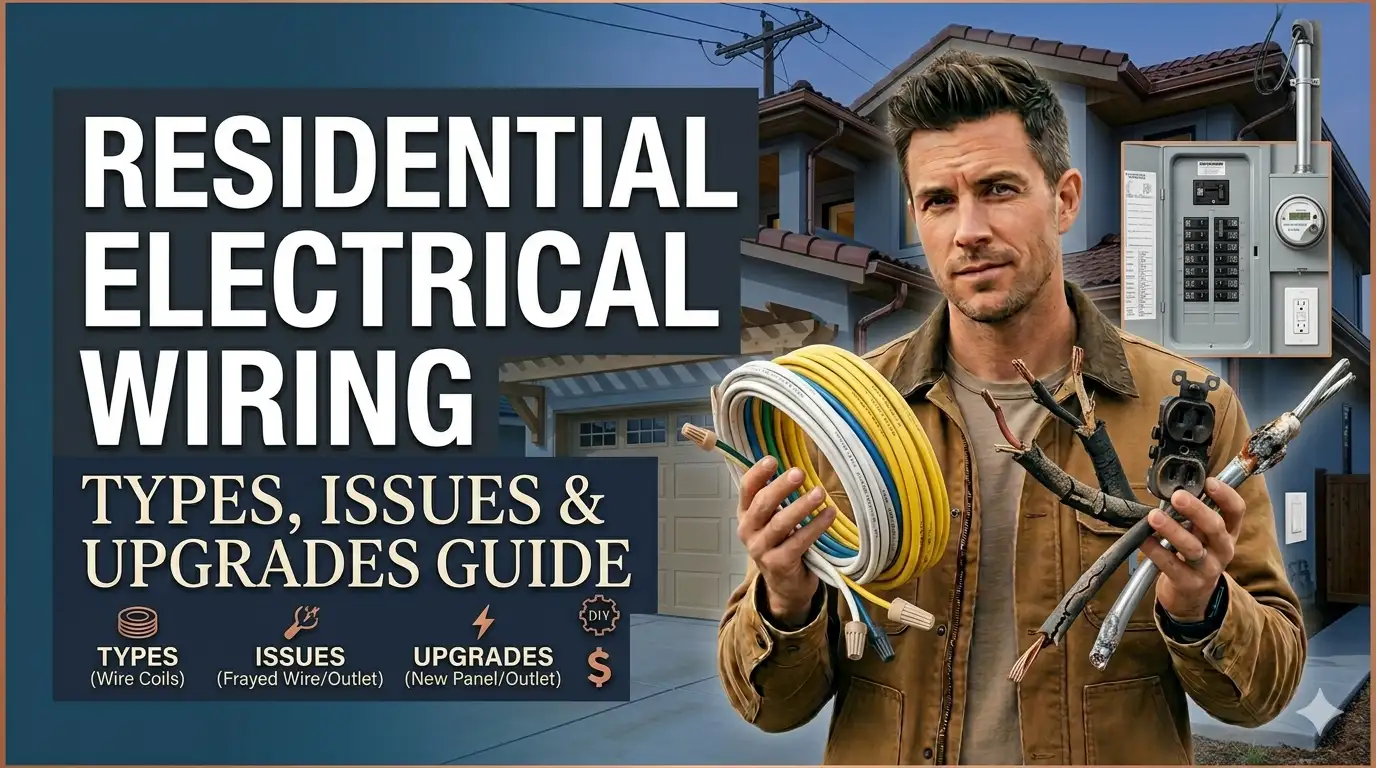
Common Types of Residential Electrical Wiring
Different homes use different kinds of electrical wiring. The type usually depends on the age of the home and the electrical setup.
Non-Metallic (NM) Cable
People often call this Romex cable. Most modern homes use it because it is affordable and easy to install.
Electricians commonly use it in:
- Bedrooms
- Living rooms
- Kitchens
- Hallways
Armored Cable
This cable has a metal cover that protects the wires inside. It works well in areas where wires may face damage.
You may find it in:
- Basements
- Garages
- Utility rooms
Underground Feeder Cable
Electricians use this cable outdoors because it handles moisture and weather conditions well.
It works best for:
- Outdoor lighting
- Detached garages
- Garden power systems
Conduit Wiring
Conduit wiring places wires inside metal or plastic pipes. This setup gives extra protection and lasts a long time.
Many homeowners choose conduit wiring for garages and workshops.
Signs Your Home Has Electrical Wiring Problems
Electrical systems often give warning signs before major problems happen. Knowing these signs can help you protect your home and family.
Circuit Breakers Trip Often
If your breaker trips again and again, your system may not handle your power usage anymore. You may need an electrical service upgrade to support modern appliances safely.
Flickering Lights
Lights should stay steady. If they flicker or dim often, your wiring or circuits may have problems.
Burning Smells
Never ignore a burning smell near outlets or switches. Hot wires can cause electrical fires.
Warm Outlets or Switches
Outlets and switches should not feel hot. Heat usually means overloaded circuits or damaged wiring.
Two-Prong Outlets
Older homes may still have two-prong outlets without grounding protection. These outlets may not meet today’s safety standards.
Why Your Electrical Panel Matters
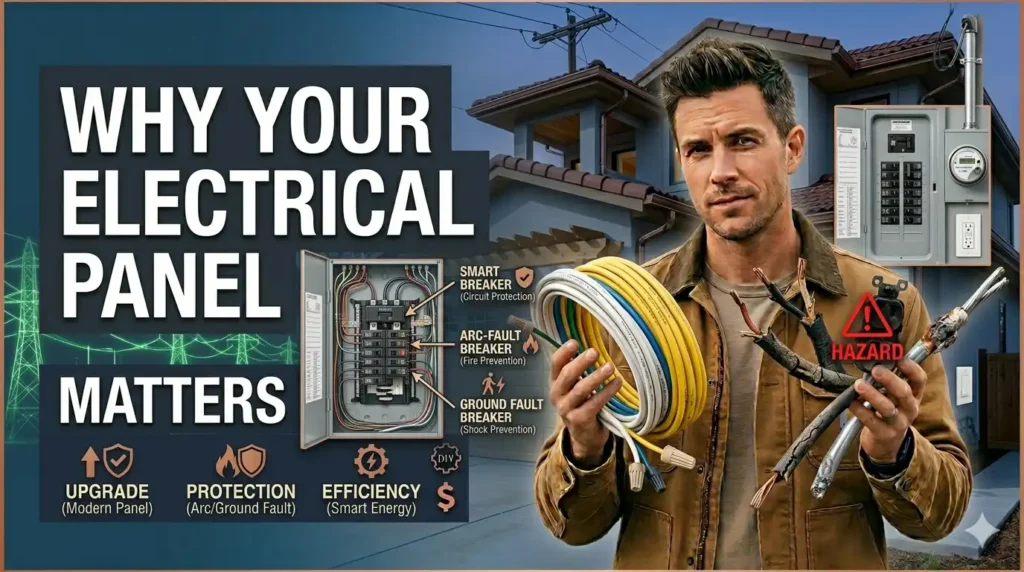
Your electrical panel controls the electricity in your home. It sends power to different circuits and protects the system from overloads.
Older panels often struggle with modern electrical demand. Today’s homes use more power because of:
- Smart appliances
- Home offices
- Air conditioning systems
- EV chargers
- Large kitchen appliances
If your panel cannot keep up, you may need to upgrade the electrical panel capacity for better safety and performance.
When You Need Fuse Box Replacement
Many older homes still use fuse boxes instead of breaker panels. While fuse boxes worked well years ago, modern homes need safer and stronger systems.
You should consider fuse box replacement if:
- Fuses blow often
- Your lights flicker regularly
- You use many modern appliances
- Your insurance company requests updates
- The system feels unsafe
Modern breaker panels improve safety and make power management easier.
Benefits of an Electrical Service Upgrade
A modern electrical system makes your home safer and more reliable. A professional electrical service upgrade gives your home the power it needs today.
Better Safety
Updated systems lower the risk of:
- Electrical fires
- Power overloads
- Shock hazards
- Damaged appliances
More Power Capacity
New systems handle heavy electrical loads better without tripping breakers.
Improved Home Value
Buyers prefer homes with updated electrical systems because they feel safer and more modern.
Better Energy Efficiency
Modern electrical systems often waste less energy and run more efficiently.
Why Older Homes Need Electrical Upgrades
Older homes were built before modern technology increased electricity use. Many older systems cannot safely support today’s appliances.
Older homes may contain:
- Aluminum wiring
- Small electrical panels
- Ungrounded outlets
- Outdated fuse boxes
An old electrical panel replacement can improve safety and help your home meet current electrical codes.
Risks of Old Electrical Systems
Old wiring systems may lead to:
- Fire hazards
- Power problems
- Appliance damage
- Insurance issues
Professional electricians can inspect your system and find hidden dangers early.
What Is a 200 Amp Panel Upgrade?
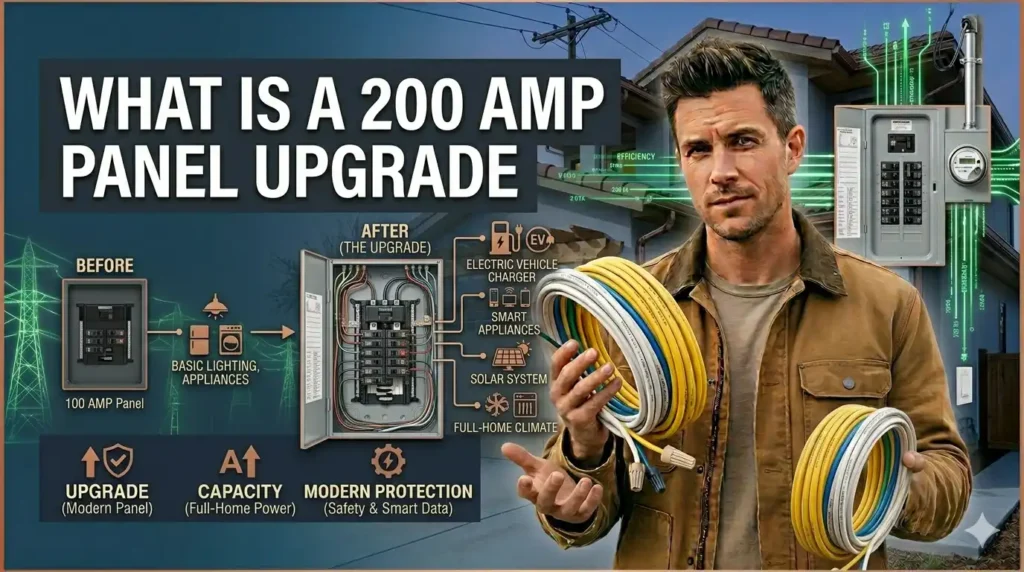
A 200-amp panel upgrade increases the amount of electricity your home can safely handle. Many older homes still use smaller 60-amp or 100-amp panels.
A 200-amp panel supports:
- Central air systems
- Electric water heaters
- EV chargers
- Large kitchen appliances
- Home additions
- Smart home systems
Signs You May Need a 200 Amp Panel
You may need this upgrade if:
- Your breakers trip often
- Your panel feels overcrowded
- The lights dim when the appliances start
- You plan a renovation
- You added new appliances recently
A licensed electrician can check your electrical load and recommend the right panel size.
Importance of Professional Electrical Inspections
Electrical problems often stay hidden behind walls. Regular inspections help catch problems before they become dangerous.
A professional electrician can check:
- Wiring condition
- Electrical panels
- Circuit loads
- Grounding systems
- Outlets and switches
Inspections are especially important for older homes and renovation projects.
Tips to Keep Your Electrical System Safe
Simple maintenance can help your electrical system last longer and work safely.
Avoid Overloading Outlets
Do not plug too many devices into one outlet or circuit.
Replace Damaged Outlets
Broken or loose outlets can become dangerous quickly.
Schedule Regular Inspections
Routine checks help find small issues before they turn into expensive repairs.
Upgrade Old Components
Replace old wiring and outdated panels to improve safety and performance.
Choose Near Electric for Residential Electrical Services
Your home deserves safe and reliable electrical work. Whether you need wiring repairs, panel upgrades, inspections, or complete electrical improvements, professional help makes a big difference.
Near Electric offers trusted residential electrical services for homeowners who want safe, modern, and efficient electrical systems. Their experienced electricians handle everything from small repairs to full electrical upgrades.
Contact Near Electric today to schedule an inspection or discuss the right electrical solution for your home.
FAQs
How do I know if my electrical wiring is old?
Frequent breaker trips, flickering lights, burning smells, and outdated outlets often point to old or damaged wiring.
How long does residential electrical wiring last?
Most wiring lasts several decades, but older systems may need updates to stay safe and efficient.
What does an electrical panel do?
An electrical panel controls and distributes electricity throughout your home while protecting circuits from overloads.
Is a 200-amp panel upgrade worth it?
Yes. It gives your home more power capacity and supports modern appliances safely.
Can I replace my electrical panel without rewiring the whole house?
Yes. In many cases, electricians can replace the panel without changing all the wiring, depending on the condition of the system.