
Your breaker box should protect your home without causing daily problems. Trips, strange sounds, heat, or damage can point toward a serious electrical issue. Knowing the signs you need an electrical panel upgrade helps you act before small problems become costly damage.
This guide explains how to know if electrical panel is bad and when repair may still work. You’ll learn about an old electrical panel, crowded circuits, low amperage, and unsafe panel conditions. You’ll also see how renovations and EV chargers change your power needs.
Many Pittsburgh houses predate today’s large electric loads. Modern kitchens, chargers, and home offices can strain older equipment. By the end, you’ll know when to book an electrical safety inspection.
Why Do the Signs You Need an Electrical Panel Upgrade Matter?
Why can panel problems create serious safety risks?
Why this matters is simple because worn parts can overheat or cause electrical arcing. Burning odors, warm surfaces, and dark marks should never seem normal. These signs may point toward damaged wires, failed breakers, or loose connections. Safety groups advise professional checks when you notice heat, buzzing, dimming, or burning smells.
Why can panel problems affect your daily power?
Benefits are clear when your lights and appliances receive steady power. Overloaded circuits can cause breaker trips, dimming lights, and weak appliance performance. These problems may worsen as you add devices. A proper inspection can separate one bad circuit from a failing main panel.
Why should you plan before a home renovation?
Important because a home renovation can add several circuits and large electrical loads. Kitchens, basements, heat pumps, and electric ranges may need more breaker space. Early planning prevents delays after walls and equipment are installed. Pittsburgh requires permits for residential electrical repairs, changes, and new systems.
Which Power Problems Suggest Your Panel Is Struggling?
1. Why does your electrical panel keep tripping?
Breakers trip when they detect too much current or another unsafe condition. One trip may happen when several large appliances share one circuit. If your electrical panel keeps tripping, overloaded circuits or damaged wiring may be present. Don’t keep resetting the breaker without finding the cause.
2. Why do your lights flicker or dim?
Lights may dim briefly when a large appliance starts and draws power. Flickering across several rooms can suggest loose connections or power changes. The problem may involve one circuit, the main panel, or outside service equipment. A licensed electrician should test the system before replacing parts.
3. Why do appliances seem weak or lose power?
Appliances may slow down when circuits can’t deliver steady power under demand. Lights may dim while a microwave, dryer, or air conditioner runs. These changes don’t always mean the panel needs replacement. Testing shows whether the problem involves wiring, circuits, or insufficient amperage.
Which Sounds, Smells, and Heat Need Fast Attention?
4. What does a buzzing electrical panel mean?
A healthy breaker box shouldn’t make steady buzzing, crackling, or popping sounds. Noise can point toward loose connections, damaged breakers, or electrical arcing. Don’t remove the cover because live parts can cause severe shock. Turn off nearby equipment when safe and call an electrician quickly.
5. What should you do about a burning smell?
A burning smell near the panel may come from hot insulation or damaged parts. You may also notice smoke, melted plastic, or sharp odors. Stop using nearby electrical loads when you can do so safely. Call emergency services for smoke or fire, then contact an electrician.
6. Why is a warm breaker box dangerous?
Strong heat, hot breakers, or a warm breaker box can show poor connections. Scorch marks and melted areas make the warning more serious. Heat can damage insulation and nearby parts as the problem continues. Don’t touch damaged areas or place water near electrical equipment.
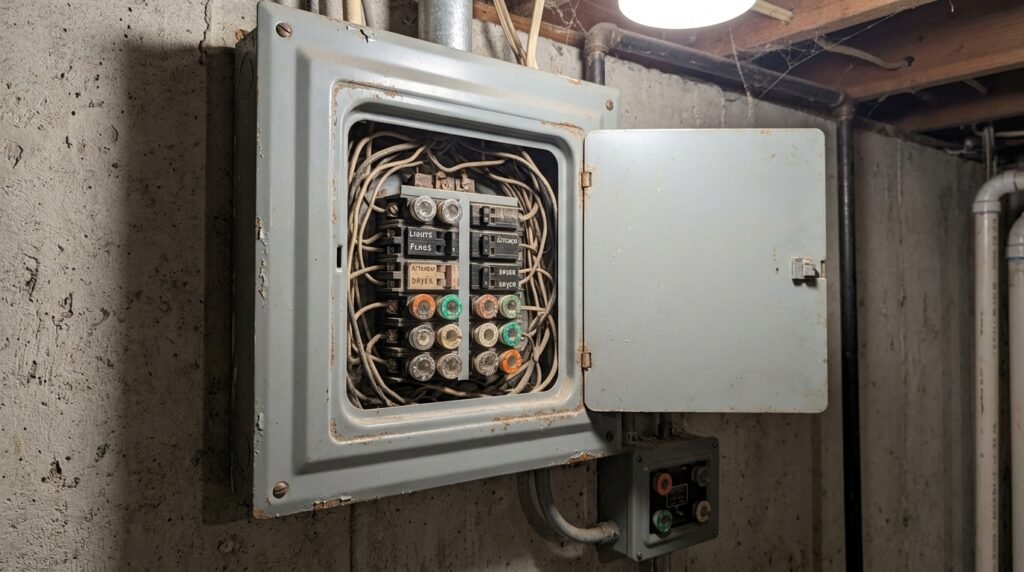
Which Visible Signs Point Toward an Outdated Electrical Panel?
7. Why do rust and corrosion matter?
Pittsburgh basements can become damp, making moisture near panels a concern. Rust and corrosion can damage metal parts and weaken connections. Water marks may show an active leak or past moisture. Fix the water source and have the electrical equipment checked.
8. Why can a fuse box or obsolete breakers cause concern?
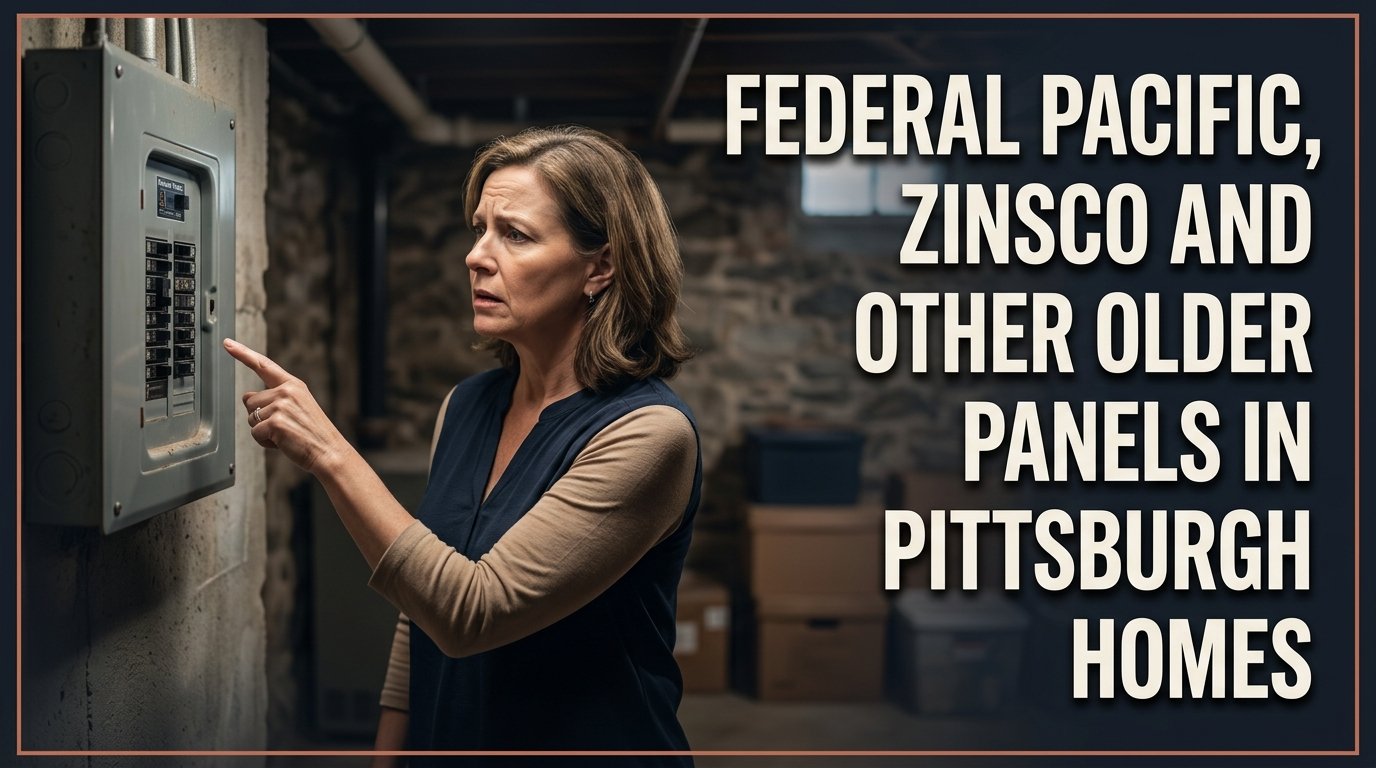
A fuse box often shows that part of the electrical system is older. Fuses can protect circuits, but the equipment may not support modern loads. Obsolete breakers can also make safe repairs harder when approved parts aren’t available. An old electrical panel or outdated electrical panel needs inspection before adding new circuits.
9. Why do double-tapped breakers and crowded panels matter?
A double-tapped breaker has two wires connected under one breaker terminal. Some models allow two wires, so correct identification matters. A crowded panel may also lack breaker space for safe new circuits. Only an electrician should remove the cover and inspect internal connections.
When Do New Projects Show It Is Time to Upgrade?
10. Why can an EV charger or renovation expose low capacity?
An EV charger can add a large, steady load. Electric cooking, heating equipment, and additions can create similar pressure. Your electrician should complete a load calculation and check available breaker space. A home electrical panel upgrade may help, although load management can sometimes avoid it.
How does service size affect your decision?
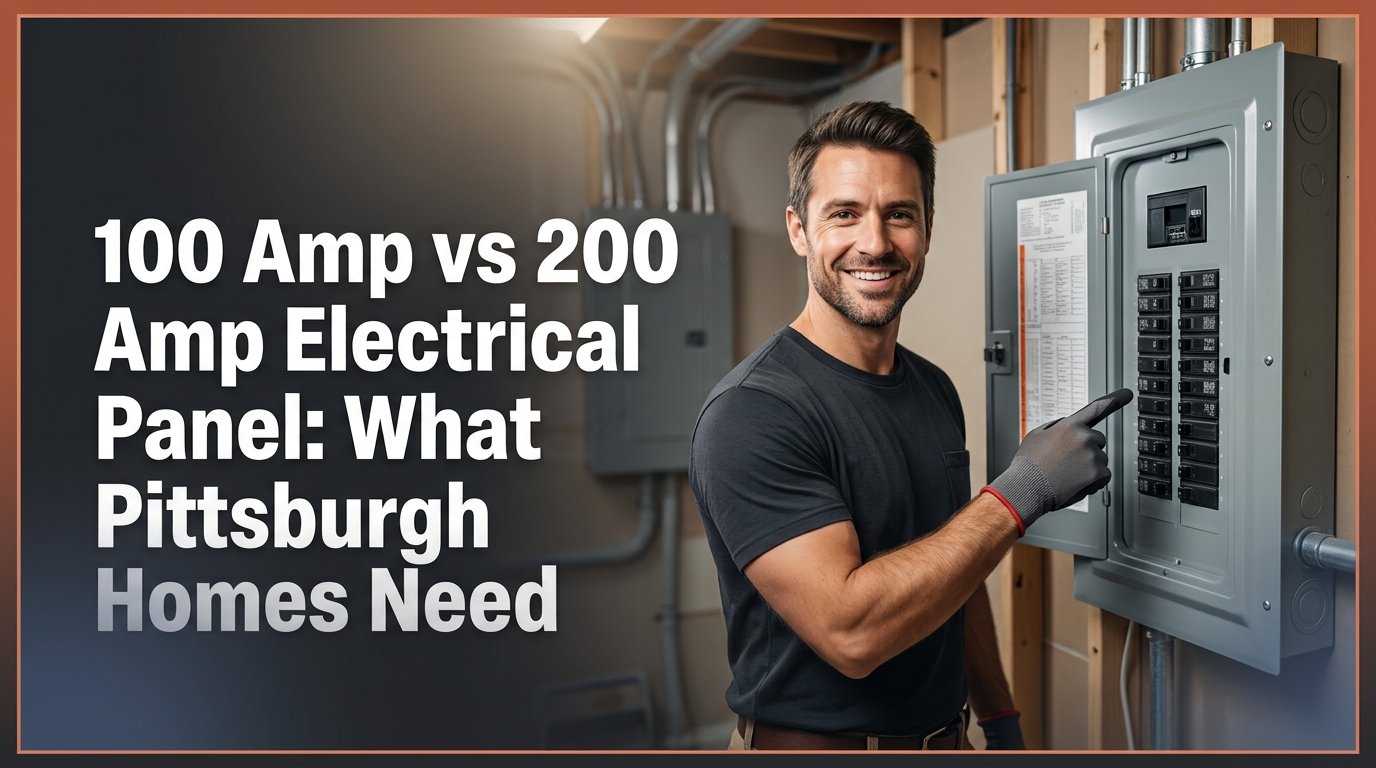
Some smaller homes work safely with 100-amp service and gas appliances. Homes adding several electric loads may need more capacity, including 200-amp service. Panel size alone doesn’t answer the question because every home uses power differently. Duquesne Light handles service upgrade requests that may need utility coordination.
How Can You Tell Whether Repair or Replacement Makes Sense?
When can an electrician repair the problem?
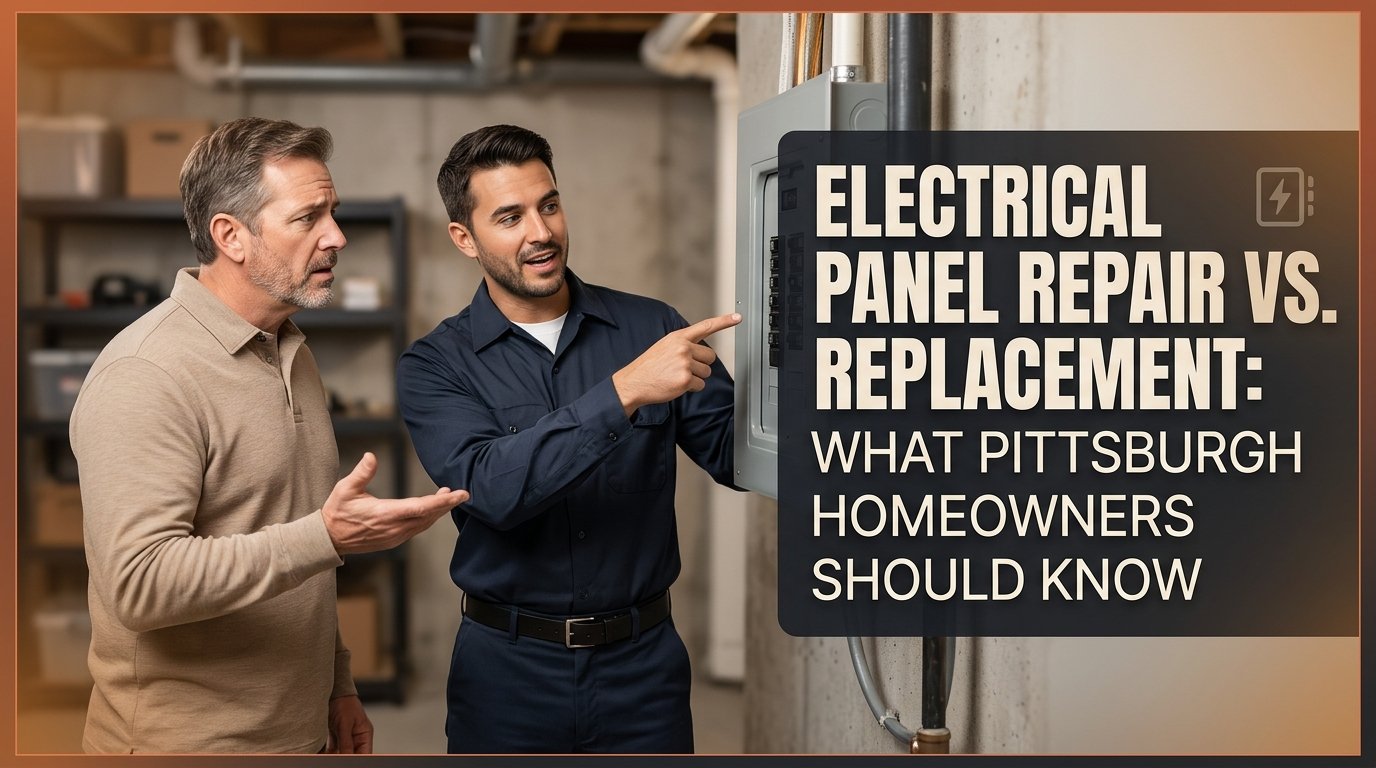
A repair may solve one failed breaker, damaged connection, or limited circuit issue. This works when the panel remains sound and approved parts remain available. The electrician should inspect the bus bar, wiring, grounding, and breaker condition. Repair won’t solve a service that lacks enough total capacity.
When to replace electrical panel equipment completely?
Consider when to replace electrical panel equipment when damage affects several important parts. Replacement may make sense for heavy rust, heat damage, obsolete parts, or crowded space. These are common signs it is time to replace your electrical panel instead of making repeated repairs. The final choice should follow testing, panel condition, and future power plans.
What happens during a professional inspection?
The electrician checks visible damage, breaker operation, labels, and service size. They may test loads and look for loose connections, corrosion, or heat. You should receive a clear list of urgent repairs and future options. Pittsburgh panel work that needs a permit must also pass required inspections.
What Should You Do After Finding a Warning Sign?
Don’t open the panel cover or touch wiring inside the breaker box. Federal safety officials warn that panel compartments can expose dangerous live wires. Note when each problem happens and which appliances were running. This information can help your electrician find overloaded circuits or damaged parts.
A home electrical panel upgrade should follow a real inspection, not a guess. The clearest signs you need an electrical panel upgrade include repeated trips, heat, damage, low capacity, and planned large loads. Acting early can protect your home and make future projects easier.
What Do Pittsburgh Homeowners Ask About Panel Warning Signs?
How do I know if my electrical panel is bad?
The answer to how to know if electrical panel is bad starts with repeated warning signs. Heat, buzzing, corrosion, burning smells, and frequent trips all need attention. A licensed electrician can test whether the panel or one circuit caused them.
When should I replace my electrical panel?
Replace it when damage, obsolete parts, or low capacity make safe repair impractical. These are strong signs it is time to replace your electrical panel rather than keep replacing parts. Your electrician should explain the test results and replacement reason clearly.
Does frequent tripping always mean the panel is bad?
No, frequent trips can come from one overloaded circuit or faulty appliance. However, an electrical panel keeps tripping problem shouldn’t be ignored or repeatedly reset. An inspection can identify whether the circuit, wiring, breaker, or panel caused it.
Is a fuse box always unsafe?
A fuse box isn’t automatically unsafe when properly installed and maintained. However, it may offer limited space and capacity for modern household loads. Have it inspected before adding large appliances, renovations, or vehicle charging.
Can I add an EV charger without replacing the panel?
Sometimes you can add a charger when the load calculation shows enough capacity. Managed charging may also reduce the need for a larger service. An electrician should check amperage, breaker space, wiring routes, and charger needs first.
Do Pittsburgh panel replacements need permits?
Pittsburgh requires residential electrical permits for repairs, changes, extensions, and new systems. The city also requires inspections for work covered by its permits. Your electrician should explain who obtains the permit and schedules each inspection.