
Most people use electricity every day without thinking about what happens behind the walls. You turn on lights, charge phones, run appliances, and power your home or business. But when your electrical system has hidden problems, it can quickly become dangerous.
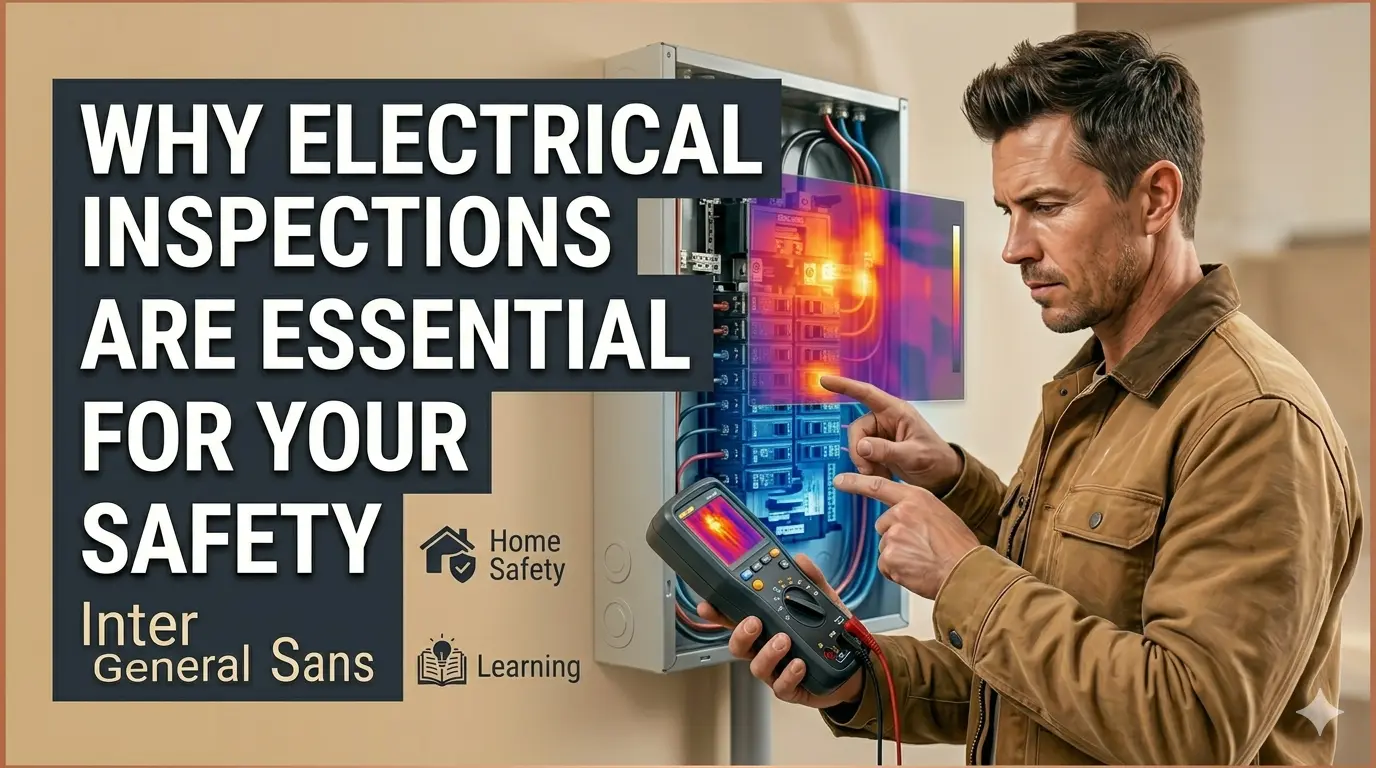
Many electrical issues start small. You may notice flickering lights, warm outlets, or breakers that trip often. These problems may seem harmless at first, but they can lead to electrical fires, shocks, or expensive repairs. A professional electrical inspection helps you find these problems early and keeps your property safe.
What Is an Electrical Inspection?
An electrical safety inspection is a complete check of your electrical system. A licensed electrician looks at your wiring, outlets, electrical panel, breakers, and other electrical parts to make sure everything works safely.
The electrician also checks if your system follows current electrical codes and can handle your daily power use.
What Does an Inspection Include?
A professional inspection usually includes:
- Electrical panels and breakers
- Wiring and connections
- Outlets and switches
- Grounding systems
- Smoke detectors
- GFCI outlets
- Light fixtures
- Surge protection systems
- Appliance connections
Electricians follow an electrical inspection checklist to make sure they inspect every important part of your system.
Why Electrical Inspections Matter
Electrical systems wear out over time. Wires can become damaged, connections can loosen, and older systems may not support modern appliances. Regular inspections help you catch problems before they become dangerous.
Prevent Electrical Fires
One of the main reasons to schedule a home electrical inspection is to prevent fires. Faulty wiring and overloaded circuits often cause house fires.
An inspection helps electricians find:
- Damaged wires
- Overheated circuits
- Loose electrical connections
- Unsafe electrical panels
Fixing these issues early lowers the risk of fire in your home or business.
Protect Your Family from Electrical Shocks
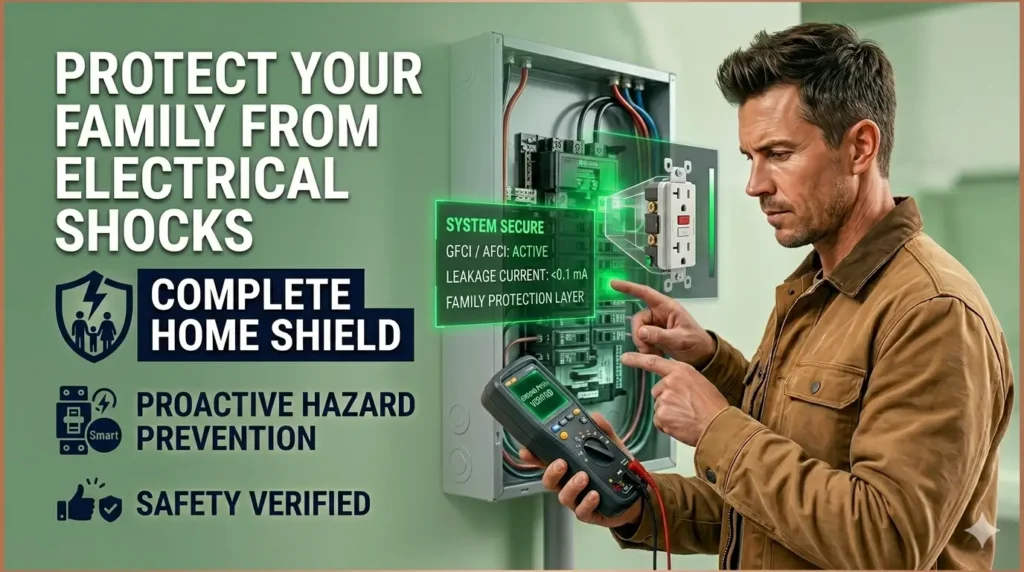
Broken outlets, exposed wires, and poor grounding can cause electric shocks. Children and older adults face even greater risks around unsafe electrical systems.
A professional inspection helps keep your family safe by making sure your electrical system works properly.
Save Money on Repairs
Small electrical problems can turn into major repairs if you ignore them. For example, one damaged wire can destroy appliances or damage your electrical panel.
Regular inspections help you fix small issues before they become expensive problems.
Signs You Need an Electrical Inspection
Your electrical system often gives warning signs before serious problems happen.
Breakers Trip Often
Circuit breakers protect your home from overloads. If they trip again and again, your system may have a problem.
Lights Flicker or Dim
Flickering lights may mean your wiring is loose or your circuits are overloaded.
Outlets Feel Warm
Warm outlets or burning smells can signal dangerous overheating. You should call an electrician immediately if you notice these signs.
Your Home Is Older
Older homes may contain outdated wiring or unsafe electrical parts. A residential electrical inspection helps you check if your system still meets safety standards.
You Recently Renovated Your Property
New appliances, room additions, or remodeling projects increase power use. Your electrical system may need upgrades to handle the extra load safely.
Why Electrical Panel Inspections Are Important
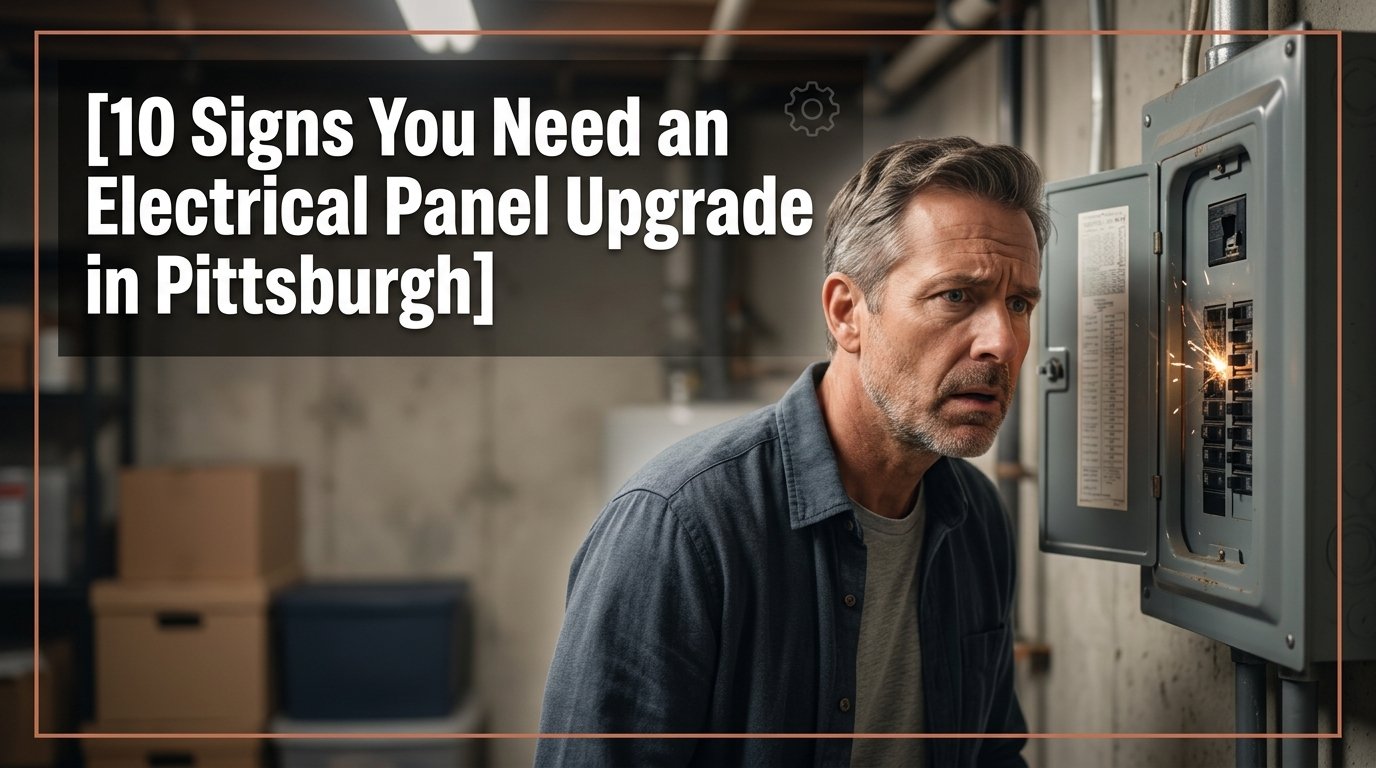
Your electrical panel controls the power in your entire property. If the panel fails, your electrical system may become unsafe.
An electrical panel inspection helps electricians check for:
- Rust or moisture
- Overloaded breakers
- Burn marks
- Loose wires
- Old or damaged panels
- Unsafe connections
Many older electrical panels cannot handle modern energy needs. An inspection helps you know when it is time for an upgrade.
Electrical Inspections for Home Buyers and Sellers
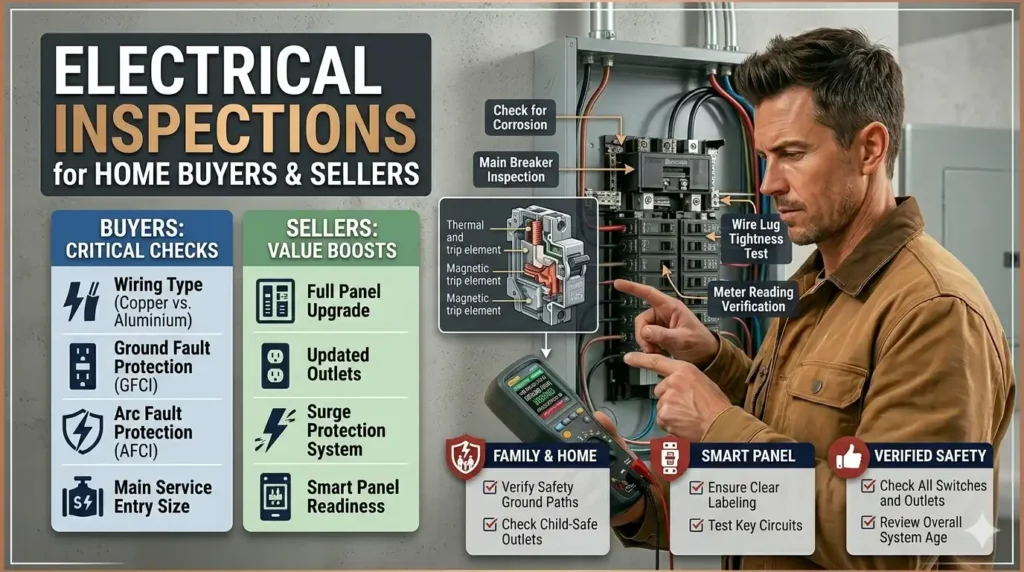
Buying or selling a property is the perfect time for an inspection.
For Home Buyers
A home electrical inspection helps buyers understand the condition of the electrical system before they purchase the property.
The inspection may reveal:
- Unsafe wiring
- Old electrical panels
- Code violations
- Poor DIY electrical work
- Grounding problems
This information helps buyers avoid surprise repair costs later.
For Home Sellers
Sellers can also benefit from inspections. A safe and updated electrical system makes buyers feel more confident about the property.
Fixing electrical problems before listing a home may also speed up the sales process.
Why Businesses Need Electrical Inspections
Commercial buildings use more electricity than most homes. Offices, stores, restaurants, and warehouses all depend on safe electrical systems every day.
Regular inspections help businesses:
- Protect employees and customers
- Prevent equipment damage
- Avoid power outages
- Meet safety rules
- Reduce fire risks
Business owners who schedule regular inspections often avoid costly downtime and emergency repairs.
What Happens During a Professional Inspection?
Many people feel nervous about electrical inspections because they do not know what to expect. The process is usually simple.
Step 1: System Check
The electrician checks the electrical panel, wiring, outlets, and circuits.
Step 2: Safety Testing
The electrician tests breakers, grounding systems, and outlets to make sure everything works safely.
Step 3: Problem Detection
The inspection looks for overloaded circuits, damaged wires, and code violations.
Step 4: Inspection Report
At the end of the visit, you receive an electrical inspection report. The report explains any problems found and lists recommended repairs or upgrades.
How Often Should You Schedule an Inspection?
You should schedule inspections regularly to keep your system safe.
Experts recommend inspections:
- Every 3–5 years for older homes
- Before buying a property
- Before selling a property
- After major renovations
- After flood or storm damage
- When warning signs appear
Businesses may need inspections more often, depending on the size of the building and electrical use.
Long-Term Benefits of Electrical Inspections
Electrical inspections do more than prevent accidents. They also improve the overall condition of your property.
Better Energy Efficiency
Damaged wiring and overloaded circuits waste electricity. Repairs help your system run more efficiently and may lower energy bills.
Higher Property Value
Buyers prefer homes and buildings with safe electrical systems. Regular inspections help maintain your property value.
More Peace of Mind
You feel more confident knowing your home or business has a safe electrical system.
Why You Should Hire Professional Electricians
Electrical systems can be dangerous. DIY inspections often miss hidden problems that trained electricians can quickly find.
Professional electricians understand:
- Electrical safety codes
- Proper testing methods
- Safe repair techniques
- Common electrical hazards
Hiring experienced professionals helps you avoid serious safety risks.
Schedule Your Electrical Inspection Today
Electrical problems can become dangerous if you ignore them. Regular inspections help protect your family, employees, property, and electronics from fires, shocks, and costly damage.
At Near Electric, our skilled electricians provide trusted inspections, repairs, upgrades, and complete electrical services for homes and businesses. We help you keep your electrical system safe, reliable, and up to code.
Contact Near Electric today to schedule your professional electrical inspection.
FAQs
How long does an electrical inspection take?
Most inspections take one to three hours, depending on the size of the property.
Why should I get a home electrical inspection?
A home inspection helps you find hidden electrical problems before they become dangerous or expensive.
What is included in an electrical inspection report?
The report includes safety findings, damaged parts, code issues, and recommended repairs.
Can electrical inspections prevent fires?
Yes. Inspections help electricians find faulty wiring and overloaded circuits before they cause fires.
How often should I schedule a residential electrical inspection?
Most homes should have an inspection every few years, especially older properties.