
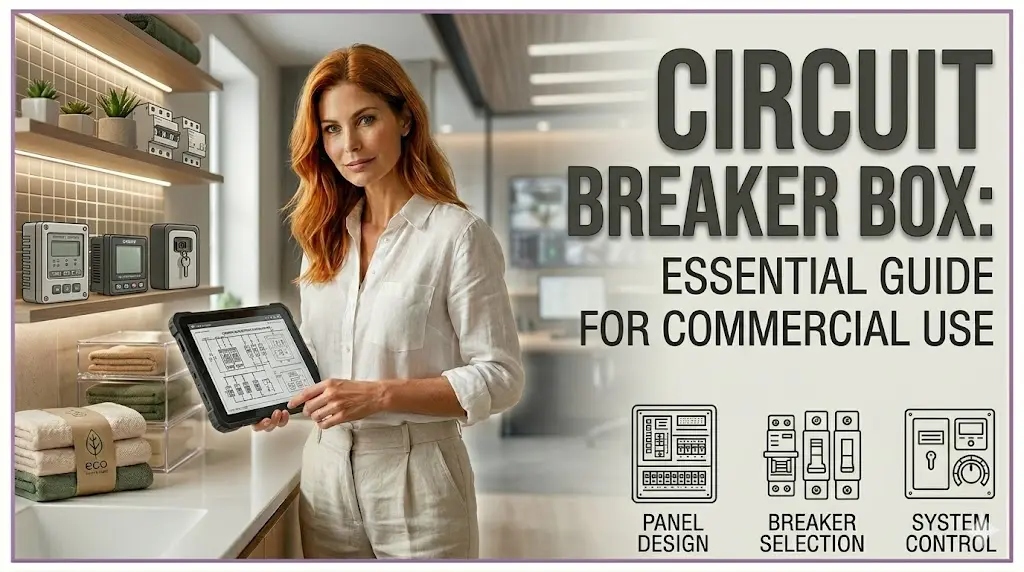
When your business loses power, everything stops. Computers turn off, lights fade, and you lose money. This happens because your circuit breaker box cannot handle the electrical load. Modern businesses run heavy machinery, bright lights, and large cooling systems all day.
If you use an old power system, you will face frequent blackouts and fire hazards. You must understand your main service panel to keep your business safe. This guide shows you how to manage your power safely.
Understanding Commercial Power Systems
Commercial buildings need much more power than regular houses. Large offices run massive HVAC units and heavy machinery every day. The commercial main breaker panel acts as the central brain for all your electricity. It takes high-voltage power from the utility company and sends it across your building.
If this system fails, your entire business shuts down in seconds. Many older commercial buildings still use old-school fuses to protect their wires. When you compare a fuse box vs. a breaker box, the modern breaker system is much safer. Fuses melt and require constant replacement, which wastes your time and money. Modern breaker boxes use switches that click off during an overload, and you can reset them easily.
Key Electrical Panel Components
Inside every modern commercial panel, several critical parts work together to control the power. The main breaker is the large master switch that turns off power to the whole building. You will also see individual branch breakers that control specific rooms or large machines.
+————————————————————-+
| MAIN BREAKER PANEL |
| |
| +—————————————————–+ |
| | MAIN BREAKER | |
| | (Master Power Cut-off Switch) | |
| +—————————————————–+ |
| |
| +———————+ +———————+ |
| | Branch Breaker 1 | | Branch Breaker 5 | |
| | (HVAC System) | | (Office Lights) | |
| +———————+ +———————+ |
| +———————+ +———————+ |
| | Branch Breaker 2 | | Branch Breaker 6 | |
| | (Computers/Outlets)| | (Breakroom) | |
| +———————+ +———————+ |
| +———————+ +———————+ |
| | Branch Breaker 3 | | Branch Breaker 7 | |
| | (Machinery) | | (Exterior Lights) | |
| +———————+ +———————+ |
| +———————+ +———————+ |
| | Branch Breaker 4 | | Branch Breaker 8 | |
| | (Surge Protector) | | (Spare Slot) | |
| +———————+ +———————+ |
| |
+————————————————————-+
An electrical panel diagram shows exactly how electricity flows through your property. Thick copper bars called bus bars carry the current down the center of the box. Your breakers snap directly onto these bars to pull power for their circuits. A neutral bar and a grounding bar keep the electricity stable and prevent dangerous shocks.
Different Electrical Panel Types for Businesses
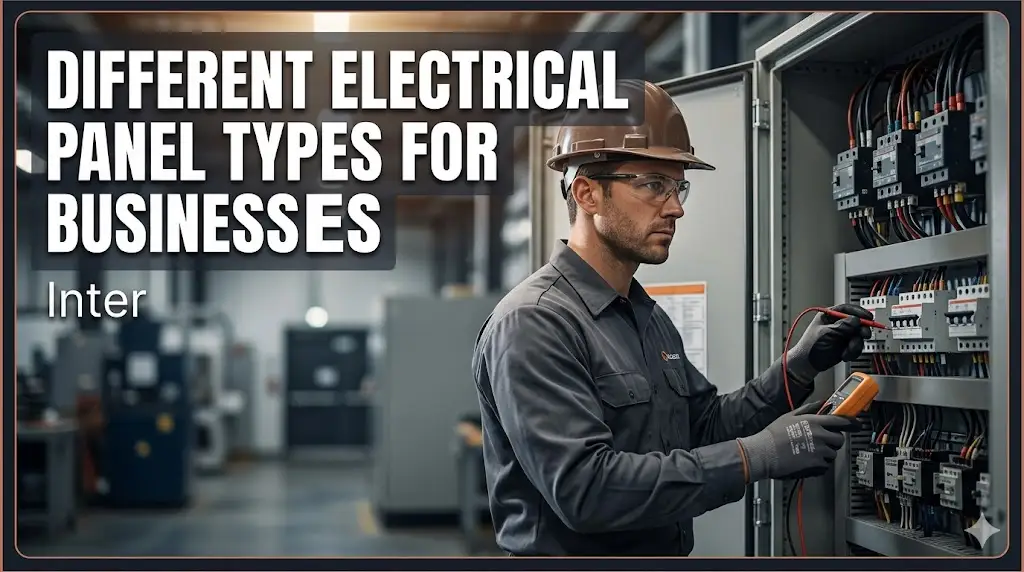
Commercial buildings use specific electrical panel types to manage heavy power loads. Some businesses need three-phase power, while smaller offices only use single-phase power. Three-phase panels deliver steady energy that keeps heavy industrial motors running smoothly without stopping.
You must choose the right type of panel to protect your expensive equipment from damage. Your choice depends on your daily energy needs and the size of your facility. A licensed electrician can help you choose the right panel style for your industry.
Sub Panel vs Main Panel
Large commercial buildings usually need more than one electrical box to run properly. Your main panel connects directly to the outside power meter and handles the primary load. A secondary box, called a subpanel, helps spread power to distant areas of your building.
When you compare a sub panel vs main panel, the main differences are the power source and location. Sub panels do not get fresh power from the utility company outside. Instead, they get electricity directly from the main panel through heavy cables. Putting sub-panels near office clusters or kitchens makes resetting tripped breakers much faster.
Choosing the Right Breaker Box Amperage
You must calculate your total energy use to choose the correct breaker box amperage. If you choose an amperage that is too low, your breakers will trip constantly. Modern businesses use more energy than ever before because they run servers and advanced tech.
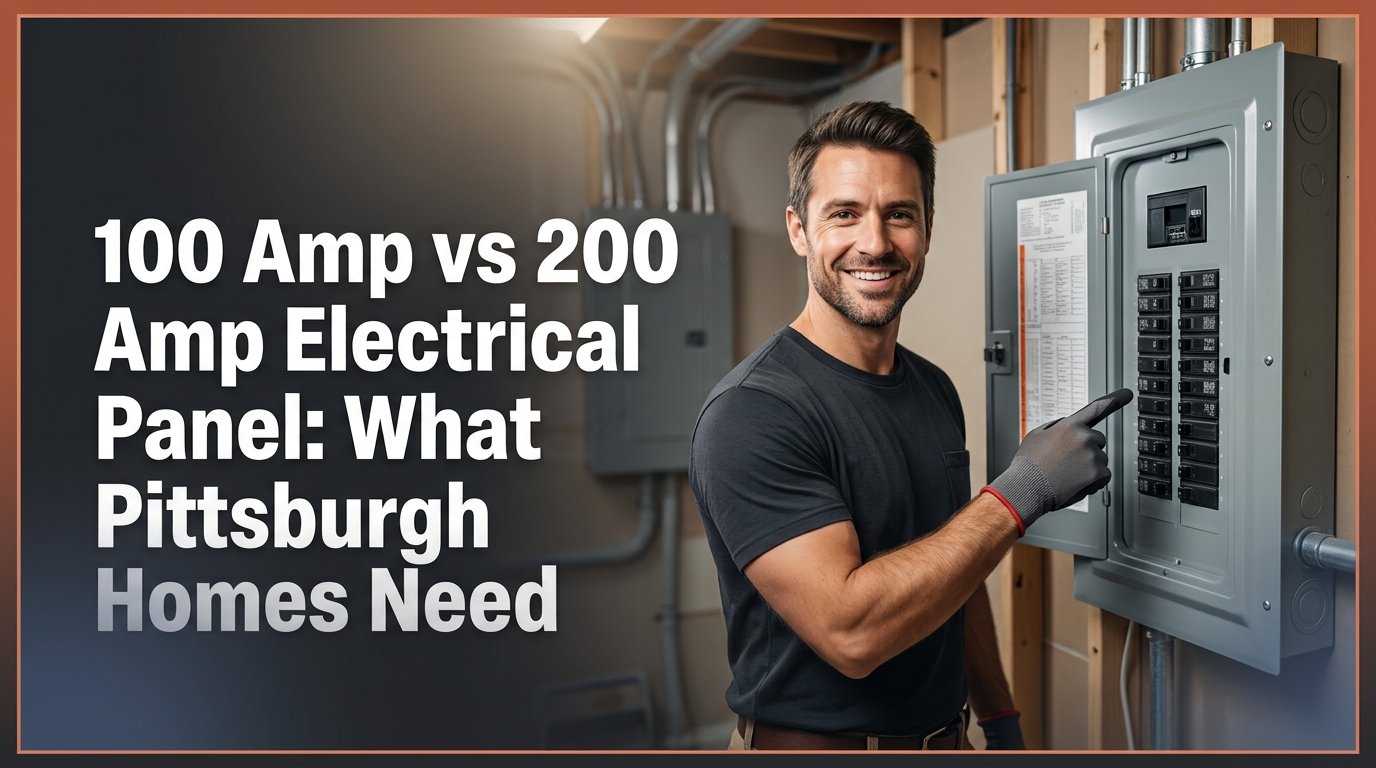
When you compare a 100 amp vs 200 amp panel, 100 amps is rarely enough for a business. Small retail shops can survive on 200 amps if they have basic needs. Large warehouses or restaurants often require 400 amps or more to operate safely.
Signs You Need an Urgent Upgrade
Old electrical systems give off clear warning signs before they break down completely. You might notice your lights flickering when the air conditioning turns on. The plastic cover on your panel might feel hot when you touch it.
You might also hear strange buzzing sounds coming from inside the metal box. These signs mean your circuits are overloading and straining under the heavy weight. If you ignore these warnings, you risk expensive equipment damage and dangerous electrical fires.
The Importance of Regular Maintenance
Commercial electrical systems need routine checkups to stay safe and reliable. Dust, moisture, and vibration can loosen the wire connections inside the panel over time. Loose wires create extra heat and cause unexpected power failures during your work hours.
Professional electricians use thermal imaging to spot hidden hot spots before they cause a total shutdown. Clean, tight connections keep your power flowing smoothly and extend the life of your machinery. When you spend a little on maintenance now, you save thousands of dollars on emergency repairs later.
Trust Near Electric for Your Commercial Needs
You need expert electrical help to keep your business safe and fully powered. The team at Near Electric specializes in commercial wiring, panel upgrades, and code compliance. We understand the unique power demands that local businesses face every single day.
Our licensed electricians can install sub-panels, fix broken breakers, and upgrade your electrical service. Do not wait for a major power failure to disrupt your business operations. Contact Near Electric today to schedule your commercial electrical inspection.
FAQS
How do I know if my business panel is overloaded?
Your breakers will trip often, your lights will flicker, and the panel box will feel warm. You might also hear a faint buzzing sound or smell burning plastic near the box.
What is the difference between a main panel and a sub-panel?
The main panel connects directly to the utility meter and holds the master shut-off switch. Sub panels get their power from the main panel to send electricity to specific rooms.
How often should an electrician inspect a commercial breaker box?
A licensed electrician should inspect your commercial electrical panel at least once every year. Regular inspections catch loose wires and prevent costly downtime or dangerous business fires.
Can I upgrade my commercial electrical panel myself?
No, commercial electrical work requires advanced training, heavy tools, and proper city permits. You must hire a licensed commercial electrician to ensure safety and meet local building codes.